Our Values
OUR CONSERVATION & SUSTAINABILITY REPORT
The best way to protect plant & animal populations is to preserve their natural habitat. MagicEggs Art directly supports butterfly farm and insect ranches that help protect this important natural habitat.
Hi, I’m the creator behind MagicEggs Art.
I believe that when you purchase something online, you deserve to know where it comes from and what it stands for.
This brand was built from my passion for nature, art, and meaningful craftsmanship. Every piece is carefully selected, prepared, and assembled with attention to detail.
I am committed to ethical sourcing and sustainability. By working with butterfly farms, we help support conservation efforts and protect natural habitats.
Each piece is designed to preserve the beauty of nature and give it a second life through art.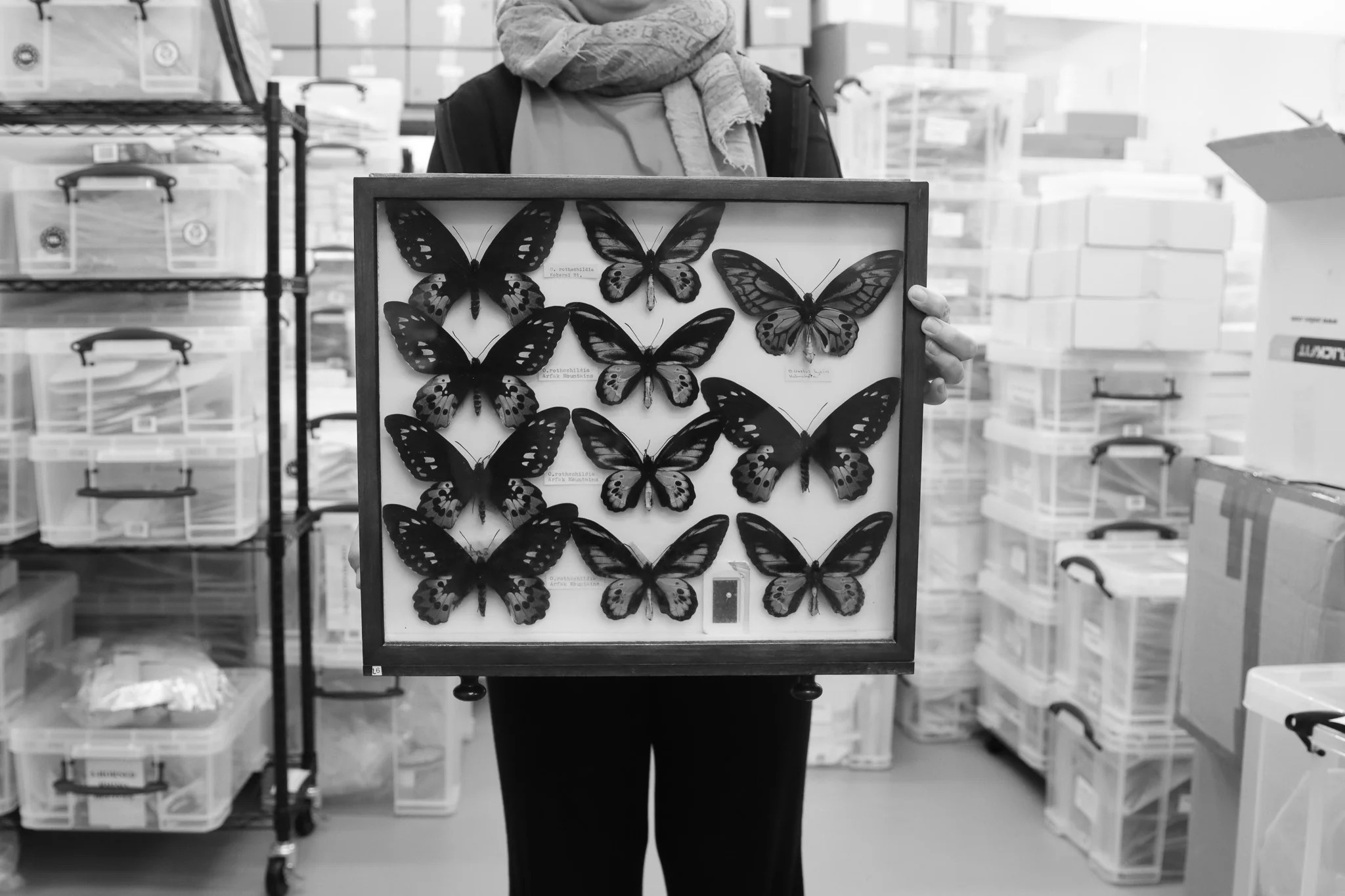
Each year an area of tropical forest equal to the size of England is destroyed. In the Amazon alone, over 11.6 million hectares of rain forest have been cleared for ranching.
WHAT WE DO NOT SELL
I do not sell rare or endangered plants or animals of any kind and have strict criteria for what I offer. I do not sell preserved mammals, reptiles or amphibians. There is a great deal of evidence many are taken illegally from the wild and the market is hard to regulate. For example, almost all preserved BATS sold online are illegally taken.
WHAT SPECIMENS WE SELL
Ethically sourced museum-quality specimens that come from butterfly farms, insect ranches or independent breeders. Learn more about this process below.
We are licensed with US Fish & Wildlife Service and comply with all US and International Import/Export Laws.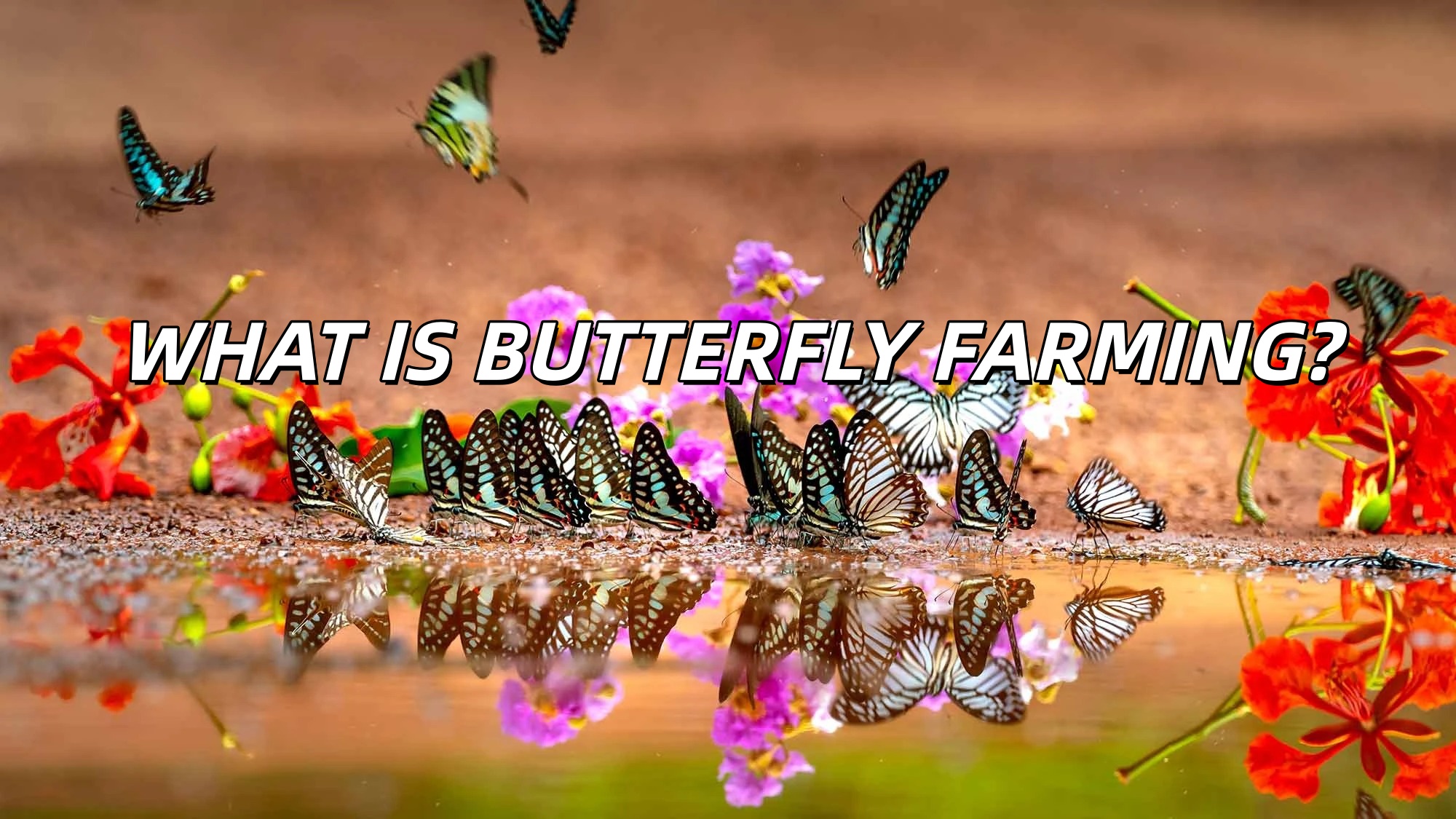
Butterfly farming is the commercial production of live butterflies/moths in controlled environments to supply stock for universities, zoos, insectariums, nature centers, butterfly houses, and for butterfly releases at weddings, funerals and special events.

WHERE ARE THESE FARMS LOCATED?
There are hundreds of butterfly farms around the world, with most located in tropical areas near rainforests where breeders have easy access to butterfly food plants. The most successful commercial farms are located in South America, Central Africa, Madagascar, China, Southeast Asia, New Guinea and Australia.
HOW DOES BUTTERFLY FARMING WORK?
The first stage of butterfly farming involves obtaining a few fertile female butterflies, which are placed in a large enclosure with their required host plants, where they lay their eggs. A single female butterfly can lay between 100 to 500 eggs in her lifetime, so few female butterflies are required to start these captive butterfly populations. Butterflies in the wild have only a 5% survival rate from egg to adult (because of predation and parasites), while butterflies that are raised in captivity have a 95% survival rate. Once the caterpillars pupate some are collected to be sent to zoos, museums, educators, collectors, and their biggest market—flying butterfly exhibits (this one flies 15,000 live butterflies at a time). At the farms, some of the adult butterflies are released into the wild, and deceased butterflies are gathered for museums and collectors.
Because host plants are needed for rearing the larvae which have a voracious appetite, the butterfly farm is dependent upon a large parcel of land that is forested. This enables adjacent communities to derive a livelihood from the forest, and are more likely to want to preserve it.


HOW DOES BUTTERFLY FARMING & INSECT RANCHING HELP CONSERVATION?
The first stage of butterfly farming involves obtaining a few fertile female butterflies, which are placed in a large enclosure with their required host plants, where they lay their eggs. A single female butterfly can lay between 100 to 500 eggs in her lifetime, so few female butterflies are required to start these captive butterfly populations. Butterflies in the wild have only a 5% survival rate from egg to adult (because of predation and parasites), while butterflies that are raised in captivity have a 95% survival rate. Once the caterpillars pupate some are collected to be sent to zoos, museums, educators, collectors, and their biggest market—flying butterfly exhibits (this one flies 2,000 live butterflies at a time). At the farms, some of the adult butterflies are released into the wild, and deceased butterflies are gathered for museums and collectors.
Because host plants are needed for rearing the larvae which have a voracious appetite, the butterfly farm is dependent upon a large parcel of land that is forested. This enables adjacent communities to derive a livelihood from the forest, and are more likely to want to preserve it.